

phoebecomeau0
About phoebecomeau0
How Green Is Your Property?
The real estate market does not move in one direction nationwide. It never has. What is happening in Austin is not what is happening in Cleveland. What is true for a three-bedroom in the suburbs of Dallas has almost nothing to do with a two-bedroom in San Francisco. Before you do anything else, narrow your focus to the specific market you are shopping in and stop reading national headlines as if they apply to you personally.
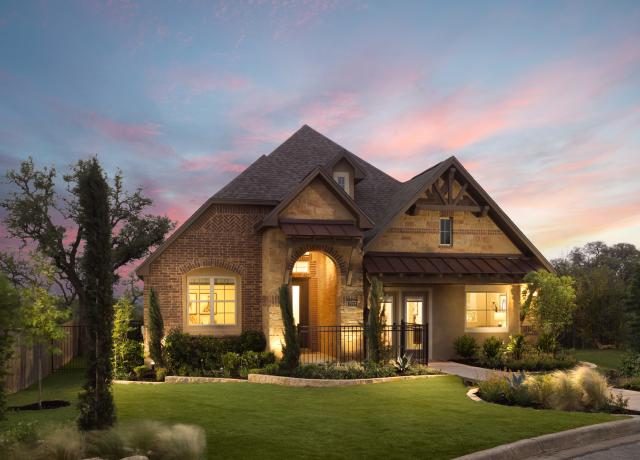 Home prices at the national level have stayed stubbornly high even as financing costs doubled in under two years. The reason is supply. A seller who bought in 2021 at a three percent rate has nowhere affordable to go if they list today, which means the correction that many analysts were expecting simply did not materialize the way the data suggested it should.
Here is what that creates for someone who has done the work before they start looking: less competition than you would have faced in 2021 or 2022. The panic buyers are gone. The buyers who showed up with letters waiving inspections and offering a hundred thousand over asking have mostly sat back down. What remains is a more functional market, even if it is not a cheap one.
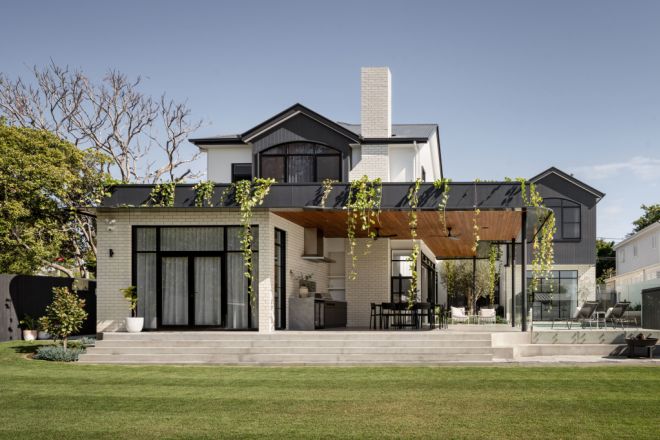
The inspection is where the marketing copy meets reality. Show up for it even if it costs you half a day of work. A good home inspector will walk you through what they are finding as they go, and those few hours will shape your understanding of the home for as long as you own it.

Real estate is illiquid. Buying and selling inside two years is almost always a money-losing proposition once you account for the full cost of both transactions. None of that means do not buy. It means be honest about your time horizon before you commit.
Buyers who take the time to prepare before they start looking tend to find that opportunities exist even when conditions look difficult on paper. A quick look at up-to-date property listings will tell you more about your local market than most of what you read in national coverage.
No listing found.